
Microwaves and Nutrients
Claim
Microwave radiation is detrimental to our health, destroys the nutrients in foods, and may even result in toxic byproducts that cause cancer.
TL;DR
Microwaves are not dangerous or harmful, and do no significantly reduce the nutrient content of most foods. In fact, microwave cooking is typically better than conventional cooking methods for the preservation of vitamins and minerals. This benefit is due to the shorter cooking times and absence of water in the microwave cooking process.
The one area to be careful, and a good reason for one to get rid of their microwave, is the types of foods that are normally prepared in these appliances. Microwave dinners and other “microwavable foods” tend to be ultra-processed and filled with artificial ingredients. Thus, while microwaves in and of themselves are not bad, the foods we cook in them are often not the healthiest to consume. If getting rid of your microwave improves your overall diet quality, I would encourage this shift. However, if you use you microwave to heat leftovers, prepare dinner ingredients, defrost frozen meat, or something similar, there does not seem to be a need to stop using this everyday household appliance.
Evidence
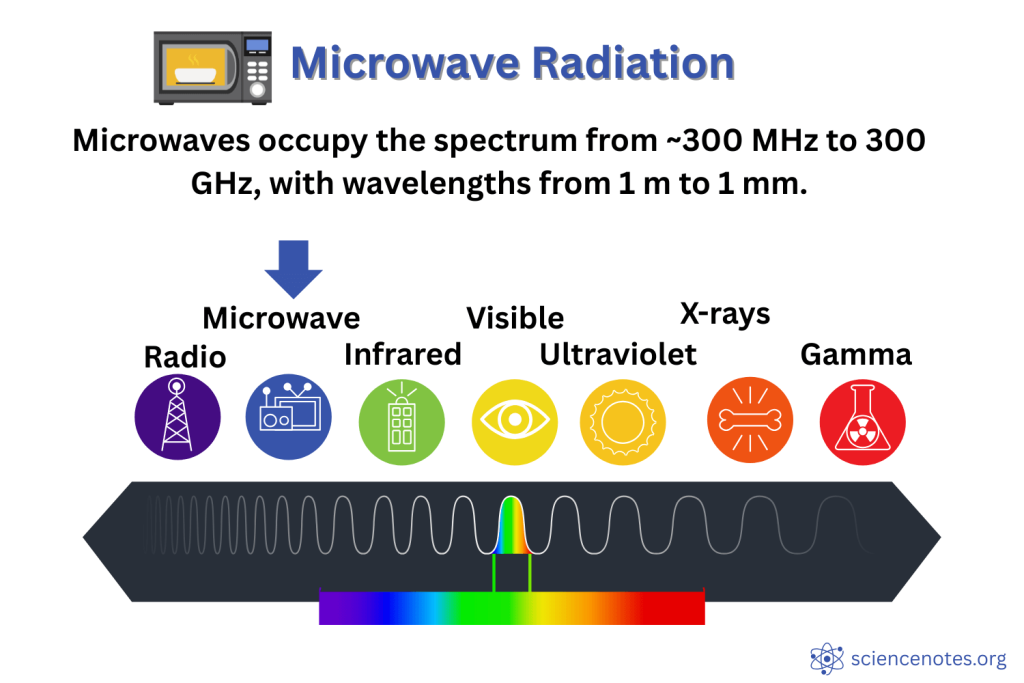
Microwave ovens have been staple household appliances since the 1960s, and have revolutionized the way we prepare and consume food. Microwaves work by using microwave radiation (a specific region of the electromagnetic spectrum) to force water and fat molecules in food to vibrate. This movement creates heat, which cooks food from the inside out. However, questions have and continue to arise about the use of such appliances, particularly their potential effect on the human health and the nutrient composition of food.
It’s easy to understand why microwaves may be thought of as damaging. We often think of “radiation” as something bad that we should avoid. However, microwave radiation (for which “microwave” ovens—the appliance—are named) is non-ionizing—that is, it does not have enough energy to damage DNA or otherwise impact subcellular structures. In fact, we are surrounded by similar wavelengths of electromagnetic radiation every day, from radio waves to solar infrared radiation. In fact, wifi is a type of microwave radiation!*
While standing next to microwaves is harmless, due not only to the non-ionizing characteristic of the radiation, but also the strict shielding and metal mesh on the glass door, exposure to microwave radiation at elevated frequency, intensity, and exposure time has been shown in animal studies to impact biological functioning, specifically of neurons in the brain. (Mumtaz et al., 2022) I mention this in full transparency of current research, but this is not meant to scare you and honestly should not be much of a concern. Just don’t stick your head inside a microwave while heating your dinner! (And if you are worried about the potential effects of microwave radiation, it’s probably more important not to sleep with your cell phone near your head!)
Microwaves have varying effects on nutrients depending on the specific molecule in question. Overall, however, in terms of nutritional content of food, the effects of microwaves are negligible. (Cross et al., 1982) The following is a more specific breakdown of the impact of microwave radiation on different nutrients.
Macronutrients
Starches: Microwave heating changes the polycrystalline structure of starch, reducing digestibility by catalyzing the formation of resistant and slow digestibility starch. (Liu et al., 2021) These forms of resistant starches are not enzymatically hydrolyzed in the small intestine, but rather fermented by bacteria in the large intestine, resulting in the formation of beneficial “post-biotic” metabolites. Due to the conversion of rapid digestible starch to resistant starch, reheating pasta significantly reduces the glycemic index compared to fresh cooked pasta, meaning that the reheated variety has less of an impact on blood sugar.
Lipids (Fats): Lipid oxidation is the chemical degradation of fats and oils commonly caused by light or heat, such as via cooking. The process of oxidation destabilize fats and creates free radicals (a.k.a. Reactive Oxygen Species), which can interact with and damage cells in the body. This “oxidative stress” is a prominent factor in many chronic disease states. Lowering oxidative stress, such as by avoiding the consumption of oxidized lipids, is likely beneficial for supporting overall health. While any extended heating of fats and oils is likely to cause some oxidation, due to shorter average cooking times microwave heating typically results in less lipid oxidation compared to traditional heating. In fact, microwave heating may even reduce lipid oxidation by inactivating enzymes like lipoxygenase and hydrogen peroxide. (Sun et al., 2023) Microwave cooking also preserves EPA and DHA fatty acids, and therefore increases the ratio of omega-3 to omega-6 fatty acids, a shift thought to be “anti-inflammatory”. However, microwaves can result in oxidation of specific types of lipids, such as cholesterol (Asghari et al., 2013), which leads to an overall reduction in fat content. (Lian et al., 2023) (In terms of calories, this reduction in fat is likely negligible for most foods.) This suggests that the specific effect of microwaves on lipids depends both on the type of lipid, as well as the degree of microwave exposure. However, microwaves appear to be overall better than other modes of heating in terms of preserving lipid integrity.
Proteins: Many functional properties of food proteins can be altered by microwaves, such as solubility, digestibility, foaming, emulsifying, and gelling. Such properties are often manipulated by food scientists in the creation and alteration of food products, such as for product flavor, texture, and shelf life. These microwave-induced effects are dependent not only on the thermal effect (the classic increase in temperature that occurs upon microwaving), but also on heating rate and energy input. (Jiao et al., 2022) While impacts on protein structure and quality are variable, it is commonly thought that at low to moderate heat, power, or cooking time, microwaves partially denature, or unfold, proteins, making them slightly easier for digestive enzymes to break down and absorb. (Deng et al., 2022) However, excessive microwave heat, power, or cooking time can damage proteins—overheating causes proteins to fully denature and stick together into large, tightly bound structures that are harder to digest. (Xiang et al., 2020) The exact parameters for “moderate heat” versus “overheating” are unclear, and depend on the type of protein and the functional property being analyzed. The main takeaway is that microwaves have minimal effect on protein in terms of the quality of the protein you are consuming; a cooked piece of chicken compared to a cooked and then reheated-via-microwave piece of chicken will have essentially the same protein effect for the body. In fact, in line with lipids, microwave heating tends to have less of an impact on protein quality compared to other conventional methods of cooking. (Kaplan & Fıratlıgil, 2026)
Micronutrients
Although microwave cooking can effect micronutrient content, depending on the type of food and the vitamin/mineral in question, microwaves often outperform traditional cooking methods for the preservation of vitamins and minerals. (Deng et al., 2022)
Due to the absence of water and shorter cooking time, microwave treatment can prevent the loss of the water-soluble vitamins A and C and reduce thermal degradation of vitamins B1 and B6. For example, fresh broccoli, cauliflower, and potatoes and frozen corn and peas were cooked by boiling, steaming, microwave boiling and microwave steaming to equivalent tenderness. Nutrient retention (vitamin C, vitamin B6, magnesium, and calcium) was highest in foods cooked by microwave steaming, followed by microwave boiling, followed by steaming, and then by boiling. (Schnepf & Driskell, 1994)
Vitamin C is a water-soluble and temperature-sensitive vitamin, so is easily degraded during cooking. Elevated temperatures and long cooking times cause particularly severe losses of vitamin C. Microwaving had less of an impact on vitamin C content, with high retention (> 90%) observed for spinach, carrots, sweet potato, and broccoli. Steaming and microwaving retained higher concentrations of vitamin C than boiling because of the reduced contact with water at relatively low temperatures. Boiling, blanching, and steaming, on the other hand, destroyed vitamin C in almost all the samples. (Lee et al., 2017)
Cooking (whether via microwaving, steaming, boiling, or blanching) fresh broccoli, chard, mallow, crown daisy, perilla leaf, spinach, and zucchini lead to a significant increase in α-tocopherol (one of the four active forms of vitamin E), while cooking potato, sweet potato, and carrot lead to a significant decrease in α-tocopherol. The observed increase in some vegetables is likely due to either heat-induced disruption of plant cells that results in the release of vitamin E from lipids, or heat-induced deactivation of tocopherol oxidase, which is an enzyme naturally found in all parts of plant tissues that breaks down vitamin E. (Lee et al., 2017)
The retention of vitamin K in cooked vegetables ranged from 44.28 to 216.65%, and our results show that microwaving caused the highest loss of vitamin K in crown daisy and mallow but the lowest loss in spinach and chard. Cooking fresh chard and perilla leaf lead to a significant change in vitamin K content, with a trend towards higher concentrations of vitamin K in cooked vegetables than in the corresponding raw samples. In contrast, there was no apparent effect of cooking on the vitamin K content of mallow and carrot. Increases may be because heat treatment causes vitamin K to be released via the breakdown of plant cell walls. Moreover, vitamin K is relatively heat stable and is thus retained after the cooking process. (Lee et al., 2017)
Carotenoids are the precursors of vitamin A. One type of carotenoid, β-carotene, was found to be higher in microwaved broccoli, chard, mallow, and spinach than in the corresponding raw samples. Cooking of foods could increase the extraction of carotenoids by softening plant walls and disrupting carotenoid-protein complexes. In contrast, β-carotene retention of cooked carrot, crown daisy, perilla leaf, and zucchini was lower than the raw samples. (Lee et al., 2017) However, a different study found that cooking carrots resulted in statistically significant increases in total carotenoid bio-accessibility, both with intensity and duration of treatments. Considering samples with the same tenderness, the highest carotenoid bio-accessible content values were microwaving > baking > water cooking > steaming. (Benítez-González et al., 2024)
Compared to conventional cooking methods, microwaves also often preserve the mineral content of food. Microwaved rainbow trout, for example, showed an increase in sodium, potassium, and phosphorus, while sodium and phosphorus were decreased in boiled trout. Other micronutrients, including calcium, magnesium, iron, and zinc, were increased after both microwave and boiling. (Asghari et al., 2013)
Carcinogens
To be clear, microwave cooking does not make food radioactive. However, a long-held concern with microwave use is the production of carcinogens, particularly heterocyclic amines (HCAs) and acrylamide—mutagenic (DNA-damaging) and carcinogenic (cancer-causing) chemicals formed when amino acids are decomposed (the technical term: pyrolyzed) during heating. The main route of acrylamide formation in food is through the Maillard reaction, the chemical reaction between proteins and sugars responsible for browning and flavor development. Alternatively, acrylamide can be formed in foods subjected to very high temperatures (known as Strecker degradation). In fact, the most important factor affecting HCA and acrylamide formation is high temperature (notably above 120°C), with the highest amount of acrylamide found in foods heated above 160–180°C. (Michalak et al., 2020) (On the other hand, long-term heating of food at higher temperatures, especially above 200°C, may begin promote the degradation of acrylamide. [Rydberg et al., 2005]) Compared to conventional cooking, the short cooking time and low cooking temperature of microwaves often results in lower production of carcinogens. For example, in one study broiled beef exhibited marked mutagenicity (i.e., resulted in the formation of compounds that could potentially damage DNA), which increased with cooking time; no such mutagenicity was detected with beef cooked by microwave radiation, with exposures ranging from normal to three times the normal cooking period. (Nader et al., 1981) Microwave pre-treatment can also modify the physicochemical properties of HCA precursors, thereby reducing precursor availability for Maillard reactions during subsequent high-temperature cooking (frying or grilling). A substantial 95% decrease in the mutagenic activity of formed HCAs has been reported with microwave pre-treatment. (Zhang et al., 2025) Furthermore, microwave pre-treatment plus the antioxidant curcumin reduced acrylamide formation in biscuits by 92%, significantly exceeding the effect of either method alone (curcumin: 51%, microwave: 68%). (Xue et al., 2023) Heating can can also confer significant safety benefits to food products by destroying harmful bacteria or toxins. Microwave-roasting peanuts naturally contaminated with aflatoxin (a highly carcinogenic fungal metabolite) for 8.5 min at 0.7 kW destroyed 48 to 61% of the toxin. (Pluyer et al., 1987) Overall, as described in a comprehensive review of the subject, “the formation of acrylamide in microwave-heated food, as in the case of conventional heating, depends on the process parameters [microwave power, heating time] and the properties of the heated products.” (Michalak et al., 2020) Thus, current evidence suggests that microwave cooking is not uniquely carcinogenic and may, in some cases, reduce the formation of certain harmful compounds compared to conventional high-temperature cooking methods, with carcinogen production depending primarily on temperature, cooking duration, and the characteristics of the food itself rather than on microwave radiation per se.
As a side note, it is important to consider the vessel in which food is microwave heated. It has recently become clear that microwaving plastic containers results in the leaching of endocrine disrupting compounds, such as bisphenols (e.g., BPA and BPS) and phthalates, into food—particularly when heating fatty foods or using damaged or non–microwave-safe plastics. For this reason, glass, ceramic, or other microwave-safe non-plastic containers are generally preferable for routine microwave cooking and reheating. (Moreira et al., 2014)
Evidence Strength
Strong! While the exact effect depends on the specific food and nutrient, microwaves tend to have an overall negligible effect on nutritional composition, and tend to preserve nutrient content more than conventional methods of cooking such as boiling, baking, or frying. While the possibility for the formation of chemical byproducts does exist with microwave use, this effect does not appear to be consistently greater than that observed with conventional heating.
Notes
*The major difference between microwaves (the appliance) and wifi (and the reason we don’t get “cooked” from the wifi all around us) is the power and focus of the radiation. While microwaves typically generate 1000 watts of power, focused on a single point (your food), a standard Wi-Fi router generates about 0.1 watts, projecting omnidirectionally from the router.
References
Asghari, L., Zeynali, F., & Sahari, M. A. (2013). Effects of boiling, deep-frying, and microwave treatment on the proximate composition of rainbow trout fillets: Changes in fatty acids, total protein, and minerals. Journal of Applied Ichthyology, 29(4), 847–853. https://doi.org/10.1111/jai.12212
Benítez-González, A. M., Stinco, C. M., Rodríguez-Pulido, F. J., Vicario, I. M., & Meléndez-Martínez, A. J. (2024). Towards more sustainable cooking practices to increase the bioaccessibility of colourless and provitamin A carotenoids in cooked carrots. Food & Function, 15(17), 8835–8847. https://doi.org/10.1039/d4fo02752c
Cross, G. A., Fung, D. Y. C., & Decareau, R. V. (1982). The effect of microwaves on nutrient value of foods. C R C Critical Reviews in Food Science and Nutrition, 16(4), 355–381. https://doi.org/10.1080/10408398209527340
Deng, X., Huang, H., Huang, S., Yang, M., Wu, J., Ci, Z., He, Y., Wu, Z., Han, L., & Zhang, D. (2022). Insight into the incredible effects of microwave heating: Driving changes in the structure, properties and functions of macromolecular nutrients in novel food. Frontiers in Nutrition, 9, 941527. https://doi.org/10.3389/fnut.2022.941527
Jiao, X., Chen, W., & Fan, D. (2022). Behind the veil: A multidisciplinary discussion on protein–microwave interactions. Current Opinion in Food Science, 48, 100936. https://doi.org/10.1016/j.cofs.2022.100936
Kaplan, G. Ç., & Fıratlıgil, E. (2026). Effects of Low-Frequency Solid-State Microwave Cooking on the Quality Properties of Beef Meat. Foods, 15(2), 214. https://doi.org/10.3390/foods15020214
Lee, S., Choi, Y., Jeong, H. S., Lee, J., & Sung, J. (2017). Effect of different cooking methods on the content of vitamins and true retention in selected vegetables. Food Science and Biotechnology, 27(2), 333–342. https://doi.org/10.1007/s10068-017-0281-1
Lian, F., Cheng, J.-H., & Sun, D.-W. (2023). Insight into the effect of microwave treatment on fat loss, fatty acid composition and microstructure of pork subcutaneous back fat. LWT, 187, 115297. https://doi.org/10.1016/j.lwt.2023.115297
Liu, T., Zhang, B., Wang, L., Zhao, S., Qiao, D., Zhang, L., & Xie, F. (2021). Microwave reheating increases the resistant starch content in cooked rice with high water contents. International Journal of Biological Macromolecules, 184, 804–811. https://doi.org/10.1016/j.ijbiomac.2021.06.136
Michalak, J., Czarnowska-Kujawska, M., Klepacka, J., & Gujska, E. (2020). Effect of Microwave Heating on the Acrylamide Formation in Foods. Molecules, 25(18), 4140. https://doi.org/10.3390/molecules25184140
Moreira, M. A., André, L. C., & Cardeal, Z. L. (2014). Analysis of Phthalate Migration to Food Simulants in Plastic Containers during Microwave Operations. International Journal of Environmental Research and Public Health, 11(1), 507–526. https://doi.org/10.3390/ijerph110100507
Mumtaz, S., Rana, J. N., Choi, E. H., & Han, I. (2022). Microwave Radiation and the Brain: Mechanisms, Current Status, and Future Prospects. International Journal of Molecular Sciences, 23(16), 9288. https://doi.org/10.3390/ijms23169288
Nader, C. J., Spencer, L. K., & Weller, R. A. (1981). Mutagen production during pan-broiling compared with microwave irradiation of beef. Cancer Letters, 13(2), 147–152. https://doi.org/10.1016/0304-3835(81)90141-5
Pluyer, H. R., Ahmed, E. M., & Wei, C. I. (1987). Destruction of Aflatoxins on Peanuts by Oven- and Microwave-Roasting1. Journal of Food Protection, 50(6), 504–508. https://doi.org/10.4315/0362-028X-50.6.504
Rydberg, P., Eriksson, S., Tareke, E., Karlsson, P., Ehrenberg, L., & Törnqvist, M. (2005). Factors That Influence the Acrylamide Content of Heated Foods. In M. Friedman & D. Mottram (Eds.), Chemistry and Safety of Acrylamide in Food (pp. 317–328). Springer US. https://doi.org/10.1007/0-387-24980-X_24
Schnepf, M., & Driskell, J. (1994). Sensory Attributes and Nutrient Retention in Selected Vegetables Prepared by Conventional and Microwave Methods. Journal of Food Quality, 17(2), 87–99. https://doi.org/10.1111/j.1745-4557.1994.tb00135.x
Sun, Y., Ji, X., Yao, Y., & Li, H. (2023). Effect of low temperature microwave treatment on lipid stability and antioxidant capacity of whole wheat flour. LWT, 182, 114854. https://doi.org/10.1016/j.lwt.2023.114854
Xiang, S., Zou, H., Liu, Y., & Ruan, R. (2020). Effects of microwave heating on the protein structure, digestion properties and Maillard products of gluten. Journal of Food Science and Technology, 57(6), 2139–2149. https://doi.org/10.1007/s13197-020-04249-0
Xue, C., Li, Y., Quan, W., Deng, P., He, Z., Qin, F., Wang, Z., Chen, J., & Zeng, M. (2023). Simultaneous alleviation of acrylamide and methylimidazole accumulation in cookies by Rhizoma kaempferiae and kaempferol and potential mechanism revealed by density functional theory. LWT, 173, 114302. https://doi.org/10.1016/j.lwt.2022.114302
Zhang, Q., Liu, P., Ma, Y., Diao, Y., Gu, Y., & Fan, X. (2025). Research progress on generation, detection and control of hazards in baked foods during thermal processing. Food Chemistry: X, 32, 103252. https://doi.org/10.1016/j.fochx.2025.103252
